

The Importance of Fire Alarm Systems in Protecting Lives and Property
Fire incidents can occur unexpectedly and have devastating consequences for businesses, institutions, and residential properties. The ability to detect fire at its earliest stage is critical for minimizing damage, protecting lives, and ensuring business continuity. Fire alarm systems serve as the first line of defense against fire-related emergencies and play a vital role in modern safety infrastructure.
A fire alarm system is designed to detect smoke, heat, or fire and immediately alert occupants through audible and visual signals. Early warning allows people to evacuate safely while enabling emergency responders to act quickly and effectively.
One of the most important advantages of fire alarm systems is rapid detection. Fires can spread within minutes, making every second crucial. Advanced detection technologies identify signs of fire before it becomes uncontrollable, reducing the risk of injuries and property damage.
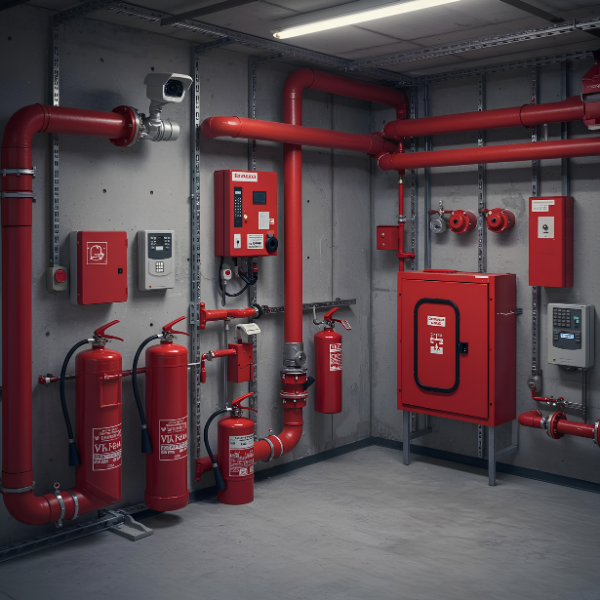
Modern fire alarm systems consist of multiple components, including smoke detectors, heat detectors, manual call points, alarm sounders, strobes, and control panels. These devices work together to provide comprehensive protection and immediate notification during emergencies.
Compliance with fire safety regulations is another major reason businesses invest in fire alarm systems. Many industries are required to meet strict safety standards and building codes. Installing a certified fire alarm system helps organizations comply with legal requirements while demonstrating a commitment to employee and public safety.
Beyond regulatory compliance, fire alarm systems help safeguard valuable assets and infrastructure. Manufacturing facilities, data centers, warehouses, educational institutions, hospitals, and commercial buildings often contain critical equipment and resources. Early fire detection prevents extensive damage and reduces costly downtime.
Integration with other safety systems further enhances protection. Fire alarm systems can be connected to sprinkler systems, emergency lighting, access control systems, and public address systems. This integrated approach improves emergency response and ensures coordinated safety measures.
Modern systems also offer intelligent monitoring capabilities. Facility managers can receive alerts remotely through mobile devices, enabling immediate action even when they are not on-site. Continuous monitoring enhances preparedness and strengthens overall safety management.
Regular maintenance and testing are essential to ensure system reliability. Routine inspections help identify potential issues before they compromise performance. A properly maintained fire alarm system provides consistent protection and peace of mind.
Fire safety is not merely a regulatory requirement—it is a responsibility. Investing in a reliable fire alarm system demonstrates a commitment to protecting people, assets, and business operations. Organizations that prioritize fire safety create secure environments where employees, customers, and stakeholders can thrive with confidence.

No comment